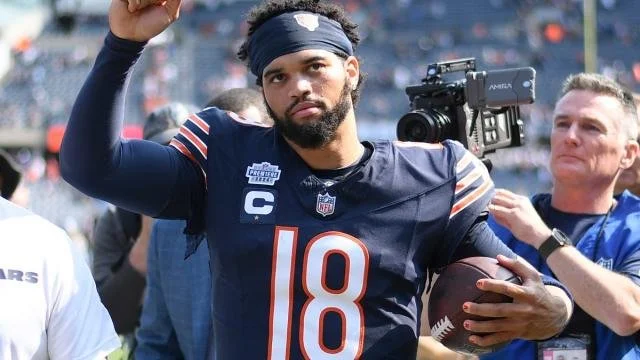

USC quarterback Caleb Williams recently found himself in the spotlight, not just for his athletic performance but for his emotional expressions during games. Known for his passion on the field, Williams has been visibly emotional during tough moments, a trait that has received mixed reactions from fans and commentators. For some, it’s a sign of weakness or instability; for others, it’s a refreshing display of authenticity and humanity. This raises an important conversation about the role of emotional intelligence in sports, especially when it comes to embracing and expressing emotions.
Why Emotional Expression Matters
Emotional intelligence (EI) in sports goes beyond mental toughness; it’s about self-awareness, understanding one’s own emotions, and communicating those feelings effectively. Caleb Williams’ open emotional displays showcase this self-awareness, as he isn’t afraid to show when he’s frustrated, elated, or disappointed. Many sports psychologists, like Dr. Susan David, advocate for the importance of “emotional agility”—the ability to navigate and express emotions rather than suppressing them. Suppressing emotions can often lead to burnout, while honest expression helps athletes process and recover from setbacks more healthily.
For Williams, his emotional reactions are likely part of his competitive spirit and passion for the game. This type of vulnerability isn’t a sign of weakness but of confidence and resilience. By allowing himself to feel and express, Williams demonstrates his commitment to the game, as well as his courage to be real in the face of high-pressure expectations.
The Importance of Authenticity in Leadership
As a leader on the field, Williams’ authenticity can have a powerful effect on his teammates. When a leader is transparent about their emotions, it can create an environment where others feel safe to express their own. This openness strengthens team cohesion and builds trust, as players can support each other through both the highs and lows of the season. Caleb’s emotional transparency can serve as an invitation for his teammates to lean into their own authenticity, cultivating an atmosphere of genuine camaraderie and collective resilience.
Williams’ approach challenges traditional notions of sports leadership, which often idealize stoicism and control. Instead, he models a different type of strength—one that isn’t afraid to show vulnerability. His authenticity on the field speaks to a new wave of leadership that values honesty and emotional intelligence as much as physical talent.
Criticism and the Double Standard in Emotional Expression
Williams’ emotional displays have also highlighted a double standard in sports. Male athletes who show emotion can sometimes be labeled as “weak” or “overly sensitive,” while female athletes often face criticism for being “too intense” or “too emotional.” The stigma around emotional expression can prevent athletes from processing their feelings healthily, increasing stress and hindering performance. Yet emotional intelligence research shows that acknowledging and expressing emotions is vital for mental resilience.
By standing firm in his emotional expression, Caleb Williams defies this double standard and pushes the boundaries of what it means to be an emotionally intelligent athlete. His willingness to be visible, even during challenging times, invites athletes across all sports to be genuine, to feel, and to express without fear of judgment.
Takeaways from Caleb Williams’ Emotional Journey
Williams’ emotional displays remind us that, in sports, mental strength isn’t about ignoring feelings but managing and channeling them. His story offers key lessons for athletes and fans alike:
1. Embrace Emotional Awareness: Recognizing emotions is an essential part of growth. Williams’ openness on the field shows the power of being in touch with one’s feelings, even in high-stakes moments.
2. Foster Team Trust through Transparency: When leaders like Williams show their true selves, it creates a more supportive team culture where others feel comfortable doing the same.
3. Redefine Strength: True strength is found in vulnerability and authenticity. By challenging the stereotype that emotional expression is a weakness, Williams reminds us that mental resilience comes from being real.
Caleb Williams is a reminder that emotional intelligence in sports isn’t about being unbreakable; it’s about being unafraid to feel, to express, and to learn from those emotions. In embracing his own emotional journey, Williams not only continues to grow as an athlete but also paves the way for others to bring more heart and authenticity to the game.