The Pressure of Leadership:
Learning from the ULM Assistant Coach's Meltdown
https://youtu.be/3ABABYNq3ig
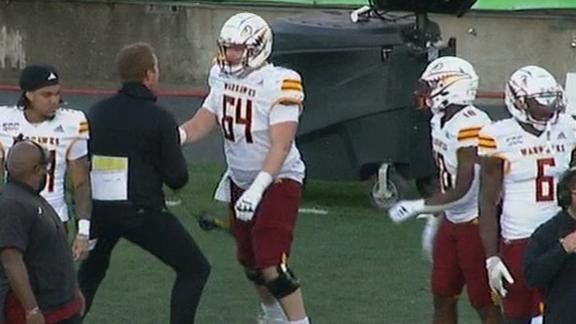
In recent sports news, an assistant coach at the University of Louisiana Monroe (ULM) experienced a public meltdown in front of his players, sparking conversations about the immense pressure coaches face and the importance of emotional intelligence and management skills in high-stress environments. While coaching is often viewed through the lens of strategic thinking and player development, it is also one of the most emotionally demanding jobs in sports. This incident highlights not only the challenges of leadership but also the value of managing emotions effectively to set a positive example for the team.
The Challenges Coaches Face
Coaching at any level comes with significant pressure. Coaches are tasked with balancing numerous roles—they are strategists, mentors, motivators, and, at times, counselors. This multifaceted role is demanding, especially when results don't go as planned or when managing different personalities and team dynamics. The ULM assistant coach’s outburst reflects what can happen when the emotional toll of the job becomes overwhelming.
For many coaches, the stakes are high: wins and losses can define careers, determine contracts, and impact personal and professional reputations. In addition to these external pressures, internal challenges such as self-expectations and the desire to motivate players often add to the stress.
Emotional Intelligence and the Art of Management
Emotional intelligence (EI) is essential for coaches, especially when under pressure. A high level of EI allows coaches to recognize and regulate their own emotions while maintaining composure in front of their teams. This regulation is crucial not only for personal well-being but also for maintaining the trust and respect of the team. Players often mirror their coach’s emotional state, so staying calm and collected can directly influence how athletes respond to challenges on the field or court.
In the case of the ULM assistant coach, the public meltdown likely created tension and discomfort among the players. An emotionally intelligent approach would have involved pausing, taking a breath, and assessing the situation before responding. By doing so, the coach could have communicated frustration or motivation without compromising the trust and morale of the team.
Management Tips for Coaches Under Pressure
1. Recognize Triggers and Prepare for Them: Understanding what triggers stress or frustration is the first step in managing it. Coaches can benefit from identifying the moments or patterns that lead to heightened emotions and preparing strategies to address them, such as deep breathing, taking a moment to step away, or speaking with an assistant.
2. Practice Self-Awareness: Being aware of one’s emotional state is key. Coaches who regularly reflect on their behavior, both in the heat of the moment and afterward, can learn to adjust their reactions and prevent emotional outbursts.
3. Model Composure and Resilience: Players take cues from their coaches. Demonstrating resilience and staying composed, even when things aren’t going well, teaches athletes how to manage their own emotions during challenging moments. It sets a tone of respect and mutual understanding that benefits the entire team dynamic.
4. Utilize Support Systems: Coaching can be isolating, but leaning on trusted assistants, mentors, or even sports psychologists can provide a valuable outlet for discussing frustrations and developing coping strategies. The best leaders are those who recognize when they need help and aren’t afraid to ask for it.
5. Communicate Openly Post-Incident: If a breakdown or an outburst does happen, following up with open communication is essential. A coach who can acknowledge their mistake, apologize, and explain their emotions will help repair trust and show players that it’s okay to be human—as long as one learns and grows from the experience.
Moving Forward After a Misstep
Every coach, like any leader, will face moments when stress reaches its peak. The ULM assistant coach’s situation is a reminder that while passion and drive are essential, they must be balanced with emotional control. Handling frustration with maturity and poise not only improves the effectiveness of a coach but also provides athletes with a model for how to manage their own emotions during pressure-filled moments.
As the sports world becomes more attuned to the mental and emotional aspects of both playing and coaching, developing emotional intelligence is becoming increasingly recognized as essential to success. Coaches who prioritize their emotional health and apply sound management strategies will not only perform better but also foster a team culture where players feel understood, supported, and motivated to give their best.
For the ULM assistant coach, this incident can serve as a powerful learning moment—an opportunity to develop strategies for managing stress and leading with a balanced, emotionally intelligent approach. The best leaders aren’t those who never falter; they’re the ones who learn from their mistakes and come back stronger, more aware, and better equipped to inspire those they lead.