Central High School Grizzlies
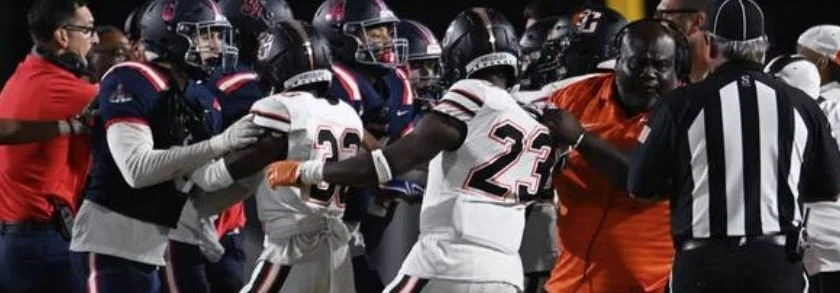

In a game that was meant to be a showcase of athletic talent and school pride, the football matchup between Central High School Grizzlies and the Justa Garza Guardians ended abruptly due to a fight on the field. With the Grizzlies leading 40-0 in the third quarter, tensions boiled over, and the situation escalated to the point where officials had no choice but to cancel the game. While the scoreboard reflected Central’s dominance, the abrupt end to the game serves as a stark reminder of the importance of emotional intelligence and mental health in high-stress situations.
The Game: A One-Sided Affair Turned Chaotic
The Role of Emotional Intelligence in High-Stress Situations
Emotional intelligence (EI) is the ability to recognize, understand, and manage our own emotions, as well as the emotions of others. In high-pressure environments like competitive sports, EI becomes crucial for maintaining composure, fostering teamwork, and ensuring that conflicts are resolved peacefully rather than escalating into fights.
The game began with high hopes for both teams, but it quickly became apparent that Central High was in control. By the third quarter, the Grizzlies had built a commanding 40-0 lead. Such a lopsided score can create a highly charged environment, where frustration and disappointment for one team, and perhaps overconfidence or complacency for the other, can lead to poor decisions and heightened emotions. Unfortunately, the mounting tension culminated in a physical altercation that resulted in the game being canceled.

In a game like this, where the outcome seems inevitable and frustrations run high, both players and coaches need to rely on their emotional intelligence to navigate the situation. For the team facing a significant deficit, it’s important to manage feelings of anger, frustration, and embarrassment. On the other hand, the leading team must remain humble and composed, avoiding the temptation to gloat or provoke the opponent.
Pre-Game Strategies for Managing Emotions and Tension
To prevent situations like this from escalating, it’s important for teams to implement strategies that build emotional resilience and prepare athletes for the psychological demands of competition. Here are some techniques that can be helpful:
1. Mental Preparation and Visualization:
Before a game, players should engage in mental preparation exercises. Visualization techniques, where athletes picture themselves successfully managing different scenarios on the field, can be particularly effective. This helps in building confidence and preparing for the emotional ups and downs that can occur during the game.
2. Mindfulness and Relaxation Techniques:
Incorporating mindfulness practices, such as deep breathing or meditation, into the pre-game routine can help players stay grounded and focused. These techniques teach athletes how to remain calm under pressure, which is essential in high-stress situations.
3. Team Communication and Support:
Open lines of communication among teammates and coaches can foster a supportive environment. When players feel they can express their emotions and frustrations without judgment, it reduces the likelihood of these feelings boiling over during the game. Team meetings that focus on emotional check-ins before high-pressure games can also be beneficial.
4. Setting Behavioral Expectations:
Coaches should establish clear expectations for behavior, emphasizing sportsmanship and respect for opponents. This includes discussing how to handle winning and losing gracefully and what to do if tensions start to rise during the game. By setting these expectations early, teams are better equipped to handle the emotional aspects of competition.
5. Post-Game Reflection:
After the game, regardless of the outcome, it’s important for teams to reflect on what happened emotionally as well as physically. This reflection can be guided by coaches who encourage players to talk about their feelings, what triggered certain emotions, and how they can handle similar situations better in the future.

Learning from the Incident
The unfortunate ending of the Central High vs. Justa Garza game is a learning opportunity for everyone involved. It highlights the need for ongoing education and support around emotional intelligence and mental health in sports. Players, coaches, and even spectators can benefit from understanding the powerful role that emotions play in competitive settings and from developing the skills needed to manage them effectively.
Moving forward, both teams have the chance to grow from this experience. By focusing on emotional intelligence, they can better navigate the highs and lows of sports, ensuring that future games are remembered for their athletic achievements rather than for conflicts. This incident underscores that in sports, as in life, how we handle our emotions and the emotions of others is just as important as the skills we bring to the game.