Jake Pope's Ole Miss Celebration
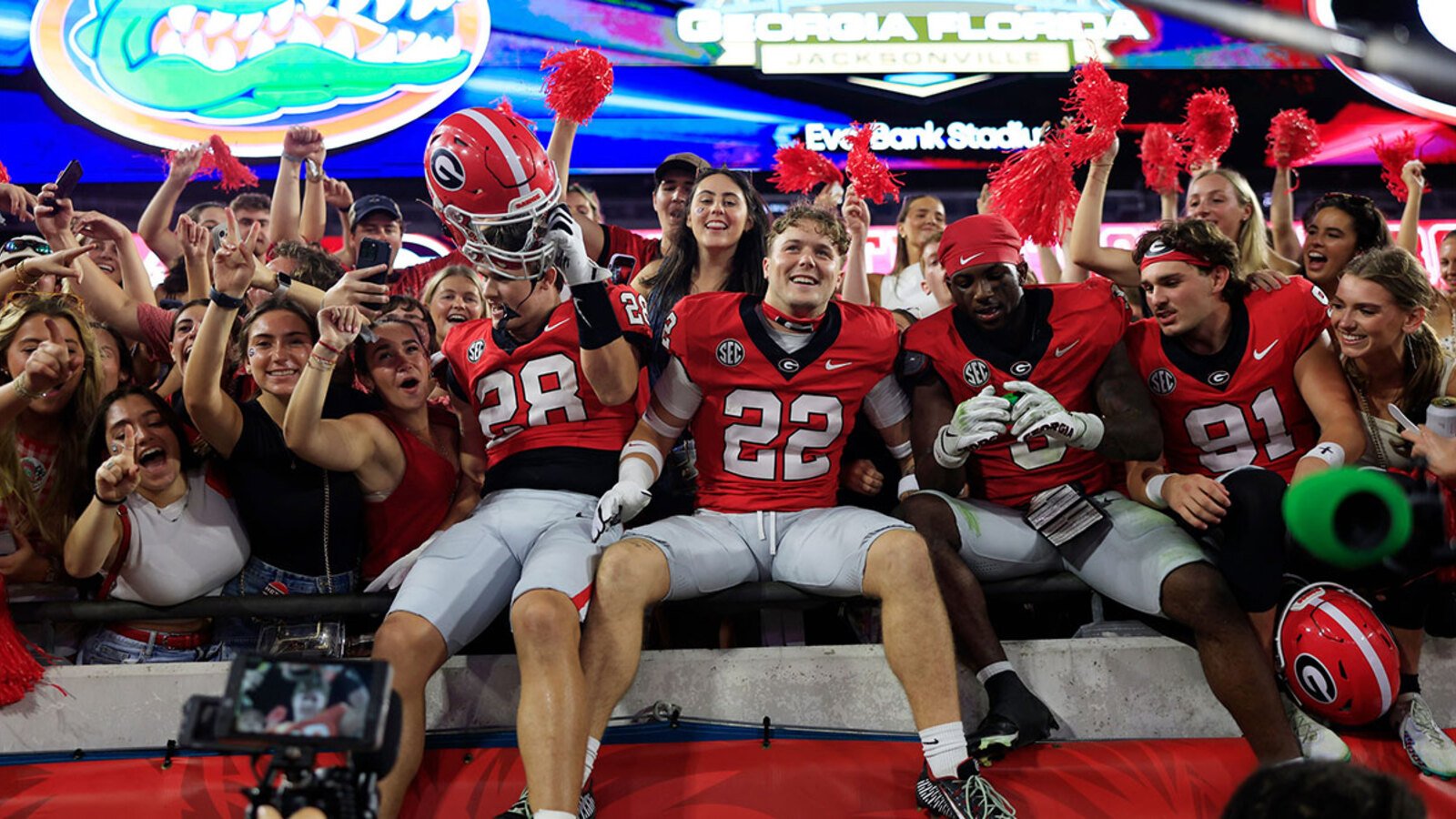
Celebrating Amid Defeat:
What Jake Pope's Ole Miss Moment Teaches Us About Emotional Intelligence

In the world of competitive sports, emotions often run high, and for student-athletes, it’s a unique challenge to manage these emotions while under intense public scrutiny. Recently, Alabama’s Jake Pope captured attention when he found himself celebrating with Ole Miss fans following a tough loss. Though some might view this as controversial, it sheds light on a crucial element in sports that often goes unnoticed: emotional intelligence (EI).
This moment offers valuable lessons in navigating emotions, staying grounded, and the fine line between personal celebration and sportsmanship.
What Happened?
During Alabama’s recent game against Ole Miss, Jake Pope, a young athlete with an already promising career, experienced what can only be described as a whirlwind of emotions. As the game drew to a close with a disappointing result for Alabama, Pope found himself in the Ole Miss crowd, joining in the celebration.
To some, this may have seemed confusing or even disrespectful; why would a player celebrate a loss? However, this moment reveals the often-complex nature of competitive sports and the emotional reactions that come with it.
Understanding Emotional Intelligence in Moments of High Emotion
Emotional intelligence plays a pivotal role in helping athletes like Pope navigate moments like these. It involves not only understanding and managing one’s own emotions but also recognizing how those emotions impact others. Here’s what we can learn from Pope’s experience and how EI could shape similar situations:
1. Self-Awareness: Recognizing and Accepting Emotions
- Emotions are complex, especially in high-stakes games. For Pope, the emotions he experienced were likely a mix of frustration, fatigue, and a sense of connection to the game and its fans. Self-awareness, a key component of EI, allows athletes to recognize what they’re feeling and why.
- In the heat of the moment, self-awareness could have provided Pope a way to take a step back and consider how joining the celebration might be interpreted. However, in a charged environment, even the most self-aware individuals sometimes act impulsively.
2. Self-Regulation: Learning to Channel Emotions Positively
- Managing emotions is another aspect of emotional intelligence that Pope’s situation brings to light. The ability to regulate emotions doesn’t mean suppressing them but rather understanding how to channel them in constructive ways.
- For athletes, self-regulation means finding healthy outlets for emotions, especially in moments of disappointment. Pope’s actions, while celebratory, also serve as a reminder of the importance of staying focused on the game, even in challenging situations.
3. Empathy and Understanding the Perspective of Others
- In a competitive sports environment, athletes’ actions have an impact beyond themselves—they influence teammates, fans, and even the opposing team. Empathy, an often-overlooked aspect of EI, allows athletes to see how their behaviors affect others.
- By putting himself in the shoes of his teammates and fans, Pope could have gauged the potential responses to his actions, understanding that some might view his celebration as disrespectful or dismissive of the team’s efforts.
4. Social Skills and Sportsmanship: The Balance Between Celebration and Respect
- Social skills in sports go beyond mere communication; they’re about creating a positive environment, respecting opponents, and being a team player. In Pope’s case, celebrating with Ole Miss fans shows his social connection to the sport’s excitement, but it also highlights the need for awareness in moments that can impact one’s reputation.
- Sportsmanship involves celebrating responsibly and respectfully, even if that means holding back in moments when emotions are high.
Takeaways for Student-Athletes
For student-athletes watching from the sidelines, Jake Pope’s Ole Miss moment is a valuable lesson in emotional intelligence and sportsmanship. Here are a few practical takeaways:
- Stay Present: When emotions run high, take a deep breath and stay grounded. In high-stakes moments, staying present allows athletes to be mindful of their reactions.
- Reflect Before Reacting: Emotional intelligence is all about understanding why you feel a certain way and considering the impact of your actions. Taking a moment to reflect before reacting can prevent misinterpretations.
- Remember the Bigger Picture: In sports, as in life, the bigger picture matters. Focusing on team goals, personal growth, and the journey of improvement often helps players avoid impulsive reactions.
Conclusion
Jake Pope’s celebration with Ole Miss fans may have surprised some, but it also reminds us of the complexities of emotional intelligence in sports. For athletes, coaches, and fans alike, this moment provides an opportunity to reflect on the importance of managing emotions, practicing empathy, and navigating the often-intense landscape of competitive sports.
Emotional intelligence is a skill that can be learned and strengthened, and for student-athletes, developing it can mean the difference between simply playing a game and excelling in both sport and character. Pope’s experience is a reminder that every game is a learning opportunity—both on and off the field.
Kirby Smart Goes Off
https://youtu.be/ERQmG3MMOmU?si=ufTh5kb3afZHWu8i